

When working with čelistní kloub, je to kloub spojující čelist s lebkou a umožňuje otevírání i zavírání úst. Also known as temporomandibulární kloub, it plays a crucial role in chewing, speaking and facial expression. The joint often interacts with zubní bolest, nepříjemný pocit, který může vycházet z poškození zubu nebo špatného skusu. Proper ortodontie, léčba zarovnání zubů a čelistí can reduce the load on the joint and prevent chronic issues.
One of the main semantic connections is that the čelistní kloub encompasses the movement of the mandible, while the žvýkací svaly provide the force needed for mastication. When these muscles are over‑worked, the joint can develop temporomandibulární dysfunkci, which often shows up as clicking, stiffness or pain. Recognizing the link between muscle tension and joint health helps you spot problems early, before they affect everyday activities like eating or speaking.
Many of the articles on our site discuss issues that indirectly influence the joint. For example, inflammation of the gums (zánět dásní, otok a bolest dásní, často způsobená bakterií) can alter bite alignment, putting extra pressure on the joint. Likewise, improperly fitted veneers or crowns (zubní fazety, tenké keramické nebo kompozitní pláty nasazené na povrch zubu) may change how the teeth meet, leading to uneven forces that travel to the temporomandibular area.
Another important connection is between orthodontic treatment and joint health. When an orthodontist corrects a malocclusion, the bite becomes more balanced, which often relieves tension in the joint. This demonstrates the triple “ortodontie improves bite, bite influences joint load, joint load affects pain.” Understanding this chain lets you see why a dentist might refer you to a specialist even if you only complain about jaw clicking.
Beyond clinical factors, lifestyle habits also play a role. Frequent gum chewing, clenching teeth at night, or using the teeth as tools can over‑activate the chewing muscles. These actions raise intra‑articular pressure and may trigger early signs of temporomandibulární dysfunkce. Simple changes—like using a night guard or practicing relaxation techniques—can lower the risk.
Our collection below covers a broad spectrum of related topics: from gum inflammation and tooth decay to the impact of veneers and orthodontic solutions on the jaw joint. Each article offers practical tips, symptom checklists, and guidance on when to seek professional help. By browsing the list, you’ll get a clearer picture of how everyday dental care ties into the health of your čelistní kloub.
Now that you know the main players—čelistní kloub, zubní bolest, ortodontie, žvýkací svaly a zánět dásní—take a look at the articles below. They will help you recognize early warning signs, choose the right preventive steps, and decide when a specialist’s opinion is needed.
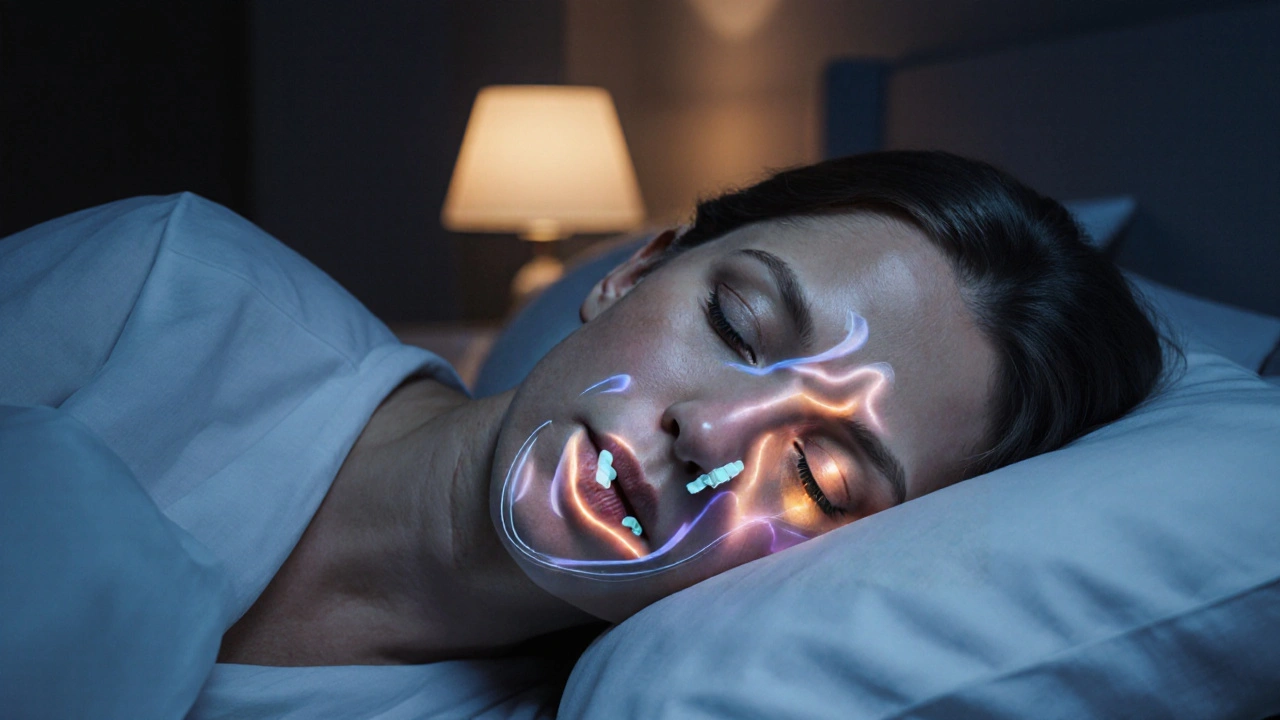
Zubní implantáty mohou zlepšit kvalitu spánku, snížit chrápání a pomoci při bruxismu i spánkové apnoe. Přečtěte si, jak fungují, výhody, rizika a praktické tipy.
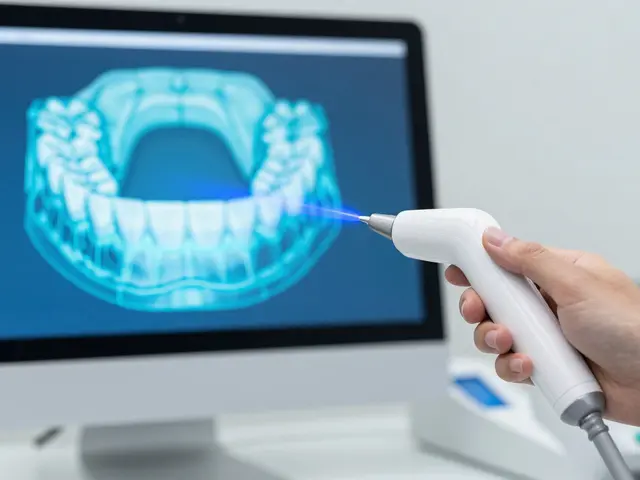
Zjistěte, jak probíhá výroba rovnátek od digitálního skenování až po finální montáž. Porovnáváme metody 3D tisku, CNC frézování a ruční práce zubního technika.
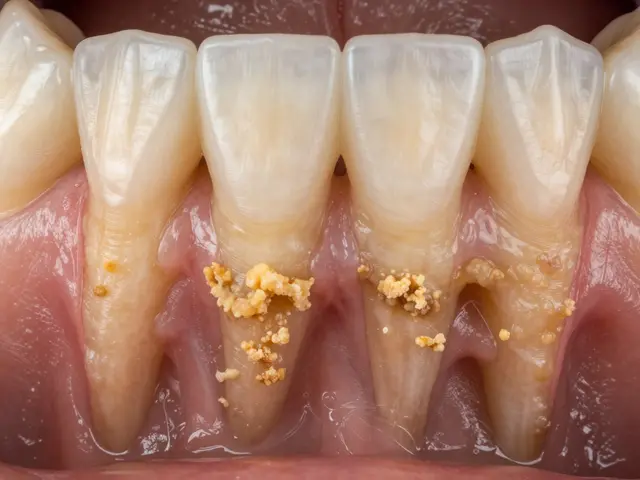
Naučte se, jak poznat a odstranit zubní kámen pod dásní. Poradíme vám s profesionálním čištěním, prevencí a domácí péčí pro zdravé dásně.
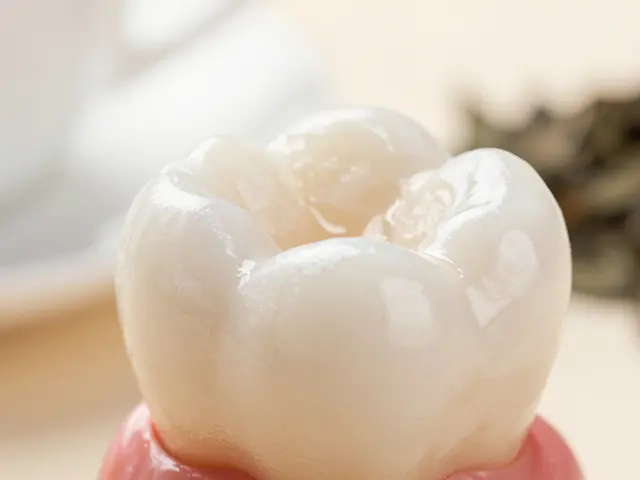
Umíte rozlišit pigment od kazu? Naučte se poznat příznaky, využít testy doma a vědět, kdy je na čase zajít ke stomatologovi místo nákupu nové pasty.
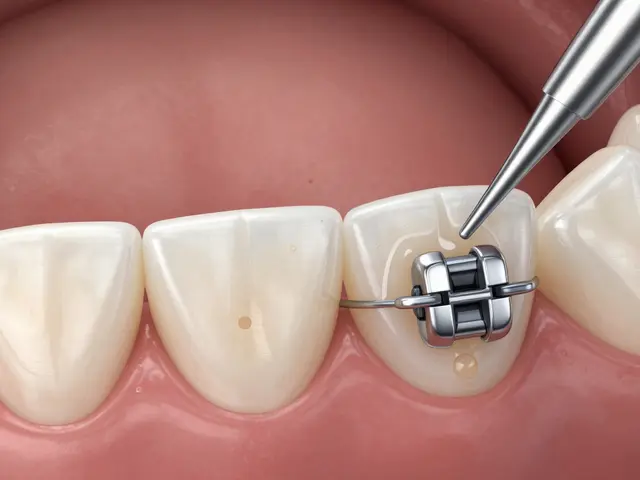
Zjistěte, jaké materiály se používají k lepení fixních rovnátek. Přečtěte si o zubních kompozitech, adhezivech a roli kyseliny při zajištění pevného spoje.
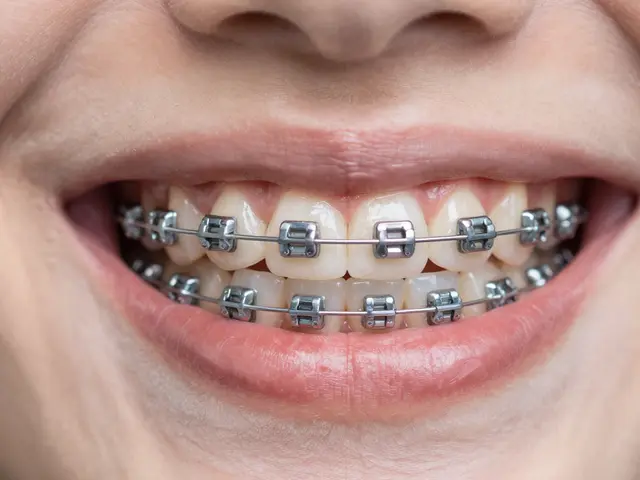
Chraňte své zuby během i po ortodontické léčbě. a naučte se, jak předejít bílým skvrnám, kazům a relapsu díky správné hygieně a prevenci.