

When talking about špatný dech, nepříjemný zápach vycházející z úst, často důsledkem nedostatečné ústní hygieny nebo vnitřních zdravotních problémů, also known as halitóza, it’s easy to blame diet alone. In reality, the odor usually stems from a mix of bacterial activity, gum inflammation and plaque buildup. Understanding this connection helps you target the real culprits instead of spraying scented mouthwashes that mask the problem.
The first visible enemy is zubní plak, a sticky biofilm that clings to teeth and tongue. If you skip brushing or flossing, the plaque hardens into calculus, creating a breeding ground for anaerobic bacteria that produce sulfur compounds – the main source of foul breath. Zánět dásní often follows, because the same bacteria irritate the gingival tissue, causing redness, swelling and bleeding. When gingivitis progresses, it can develop into parodontóza, a deeper infection that destroys the supporting bone. Both conditions release volatile compounds into the bloodstream, which then travel to the lungs and exit as bad odour. Besides oral sources, systemic issues like diabetes or dry mouth (xerostomia) amplify the smell, but they usually act on top of the plaque‑inflammation chain. The good news is that breaking any link in this chain – by improving dental hygiene, treating gum disease, or addressing dry mouth – dramatically reduces the odor. Regular professional cleanings, proper brushing technique, and daily flossing are the most effective weapons.
Beyond hygiene, modern dentistry offers additional tools. Antibacterial mouth rinses with chlorine dioxide or zinc salts can neutralise sulfur compounds, while sugar‑free chewing gum stimulates saliva, the natural cleanser. If you already have zdravé zuby but still struggle with halitosis, consider checking your dental restorations – ill‑fitting crowns or old fillings can trap food particles and foster bacterial growth. Even dental implants, though generally safe, require meticulous care; plaque around the implant can cause peri‑implantitis, which also contributes to bad breath. In the article collection below you will find detailed guides on implant maintenance, gum disease treatment, effective plaque removal, and the best oral‑care products for fresh breath. Dive in to discover practical steps that fit your routine, whether you’re a beginner learning the basics or an experienced patient looking for advanced solutions.
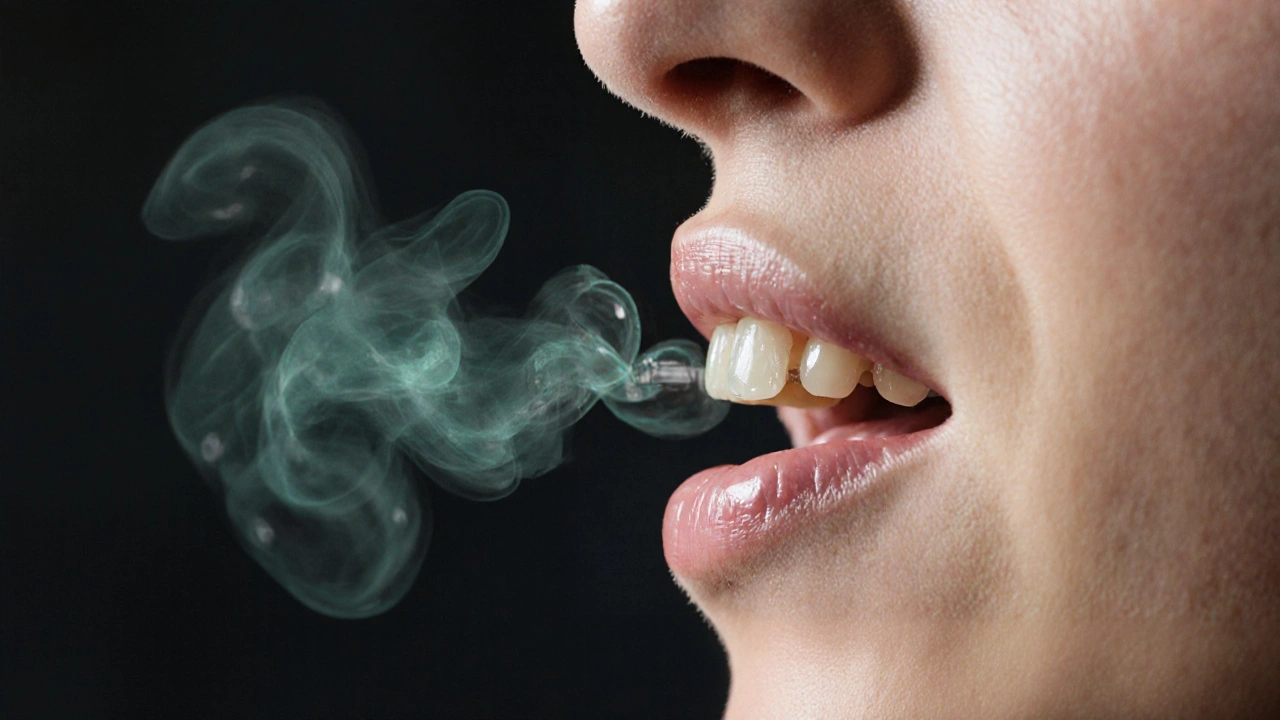
Zubní plak je hlavní příčinou špatného dechu. Jak ho rozpoznat, proč vzniká a jak mu účinně zabránit - praktické tipy i tabulka příčin.
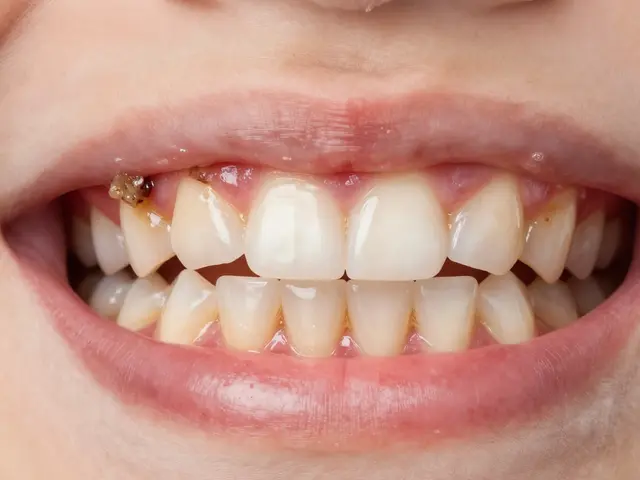
Zubní kámen u dětí hrozí vážnými problémy s dásněmi i trvalými zuby. Přečtěte si, proč je prevence klíčová, jak poznat varovné signály a jaké kroky podniknout pro zdravý chrup vašeho dítěte.
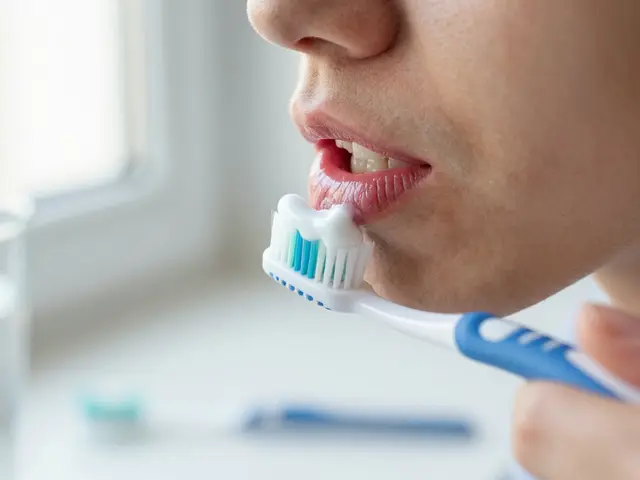
Zánět dásní se nezahojí sám. Zjistěte, jak rychle a bez komplikací zahojit dásně pomocí správné hygieny, výživy a profesionální péče. Víte, že krvácení je varovný signál?

Bělení zubů se stává stále populárnějším, ale správné načasování a metody jsou klíčové pro dosažení nejlepších výsledků. Tento článek podrobně rozebírá nejlepší časy a techniky pro bělení zubů, včetně domácích metod a profesionálních postupů. Dozvíte se také o možných rizicích a jak minimalizovat nežádoucí účinky.
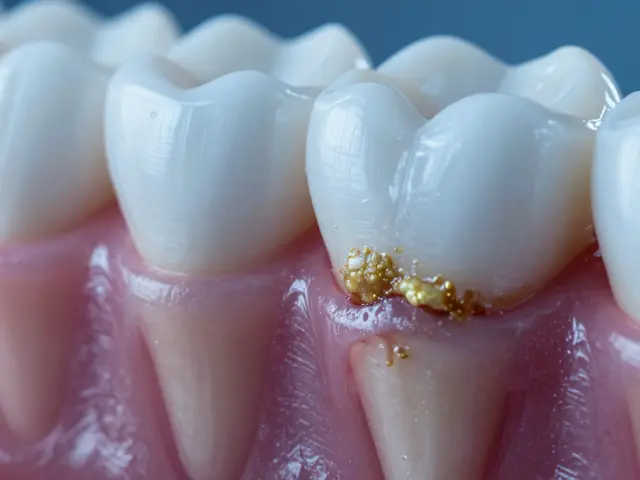
Zubní kámen pod dásní nelze bezpečně odstranit doma. Zjistěte, proč jsou domácí metody nebezpečné, jak poznat varovné signály a jak efektivně předistat jeho tvorbu.
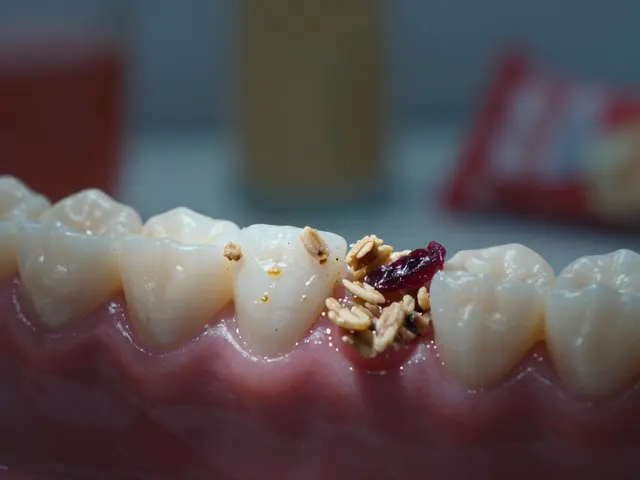
Strava má větší vliv na mezizubní kaz než kartáčování. Vědecky ověřené potraviny, které nejvíce přispívají k vzniku kazu, a jak je správně vybírat, aby jste zůstali bez kazů.