

When your tooth starts throbbing, it’s not just a toothache—it’s your zubní nerv, vnitřní nervový svazek v zubu, který reaguje na infekci, poškození nebo tlak. Also known as pulpa, it’s the living core of your tooth, packed with nerves and blood vessels. When it gets inflamed or infected, it doesn’t just hurt—it screams. This isn’t just a minor annoyance. A damaged zubní nerv is your body’s alarm system, telling you something’s seriously wrong inside the tooth.
What causes this pain? Usually, it’s zubní kaz, progresivní destrukce skloviny a dentinu, která se dostane až k nervu. If you ignore cavities, bacteria slowly eat through layers of your tooth until they reach the pulp. Trauma, cracked teeth, or even aggressive brushing can also trigger it. You might think a toothache will go away on its own, but if the zubní nerv is damaged, it won’t heal. Left untreated, the infection spreads to the jawbone, and you risk losing the tooth.
Many people try home remedies—salt water, clove oil, cold compresses. They help a bit, but they’re like putting a bandage on a broken pipe. The real fix? A visit to the zubní lékař, specialista, který může diagnostikovat stav nervu a rozhodnout o léčbě. If the nerve is still salvageable, root canal treatment removes the infected tissue and saves the tooth. If it’s too far gone, extraction is the only safe option. Delaying means more pain, higher costs, and more complex procedures later.
You don’t need to suffer silently. Modern dentistry has tools to diagnose nerve issues before they explode into emergencies. Digital X-rays, pulp testers, and 3D scans let dentists see exactly what’s happening inside. And if you’re scared of the procedure—understandable—many clinics now offer sedation options to make root canals almost painless. The truth? Getting it done early saves you weeks of discomfort and thousands of korunas in the long run.
What you’ll find below are real stories and practical guides from people who’ve been there. From how to tell if it’s just sensitivity or a dying nerve, to what happens during a root canal, to how to avoid needing one in the first place. No fluff. No myths. Just what works.

Bolest po vytažení nervů je normální, ale ne vždycky stejná. Zjistěte, kolik dní to trvá, kdy je to varovný signál a co dělat, aby to nebolelo tak moc. Vše, co potřebujete vědět, bez technického žargonu.

Zub neumírá, když bolí - umírá, když už nebolí. Zjistěte, jak dlouho trvá, než odumře zub po první bolesti, co se děje uvnitř a proč čekání je největší chyba.
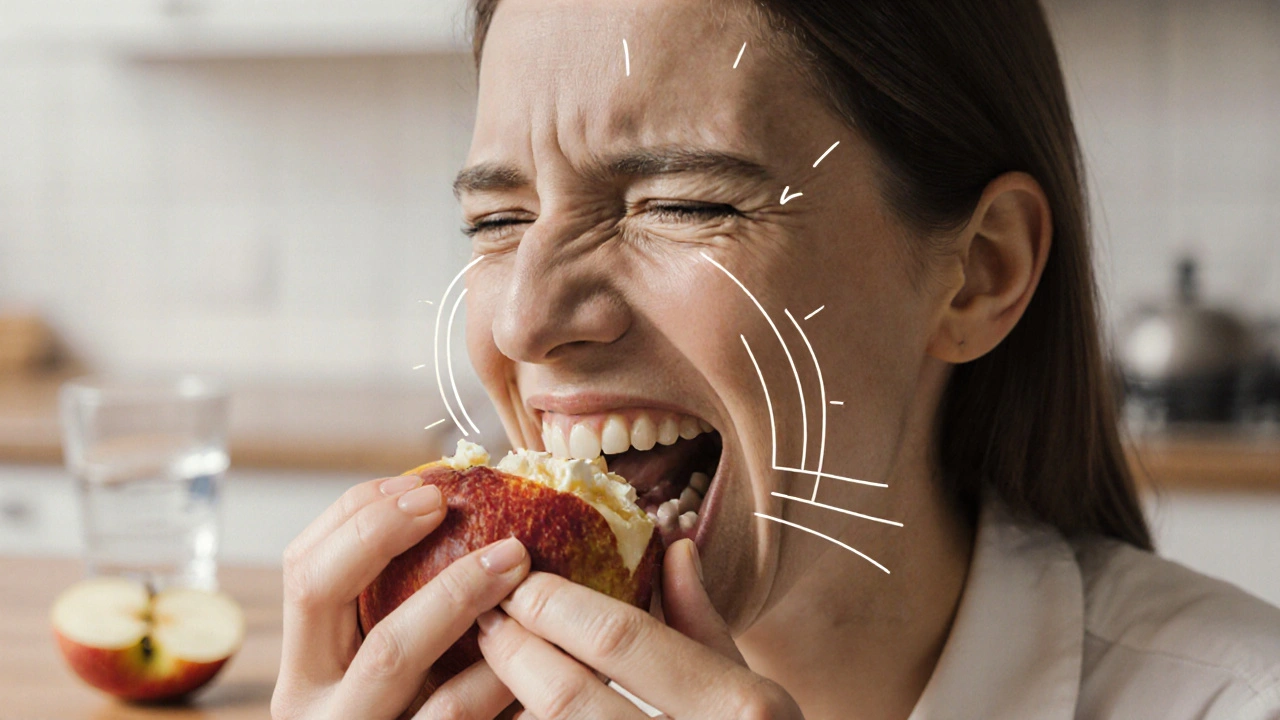
Bolest předních zubů často není způsobena kazem, ale špatným předkusem. Zjistěte, jak předkus ovlivňuje vaše zuby a co s tím dělat, abyste zabránili trvalému poškození.
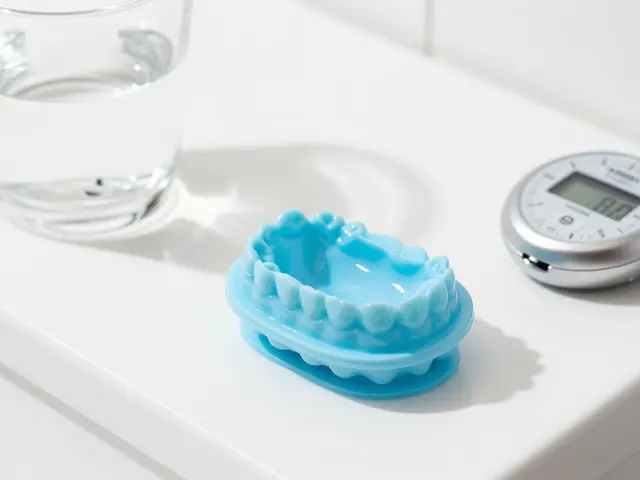
Zjistěte, jak dlouho trvá otisk zubů pro sady na bělení, jak správně postupovat krok za krokem a jaké chyby vyvarovat, aby vaše žlářky seděly perfektně.

Porovnáváme domácí a profesionální bělení zubů, vysvětlujeme, jak funguje peroxid, co ovlivňuje citlivost a jak vybrat nejefektivnější metodu.
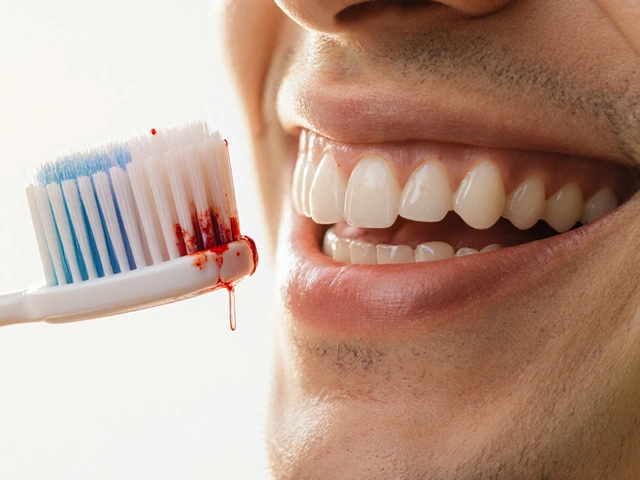
Rychlé tipy, jak zbavit zánět dásní doma i s odbornou pomocí, včetně příčin, úlevy, prevence a kdy navštívit zubaře.
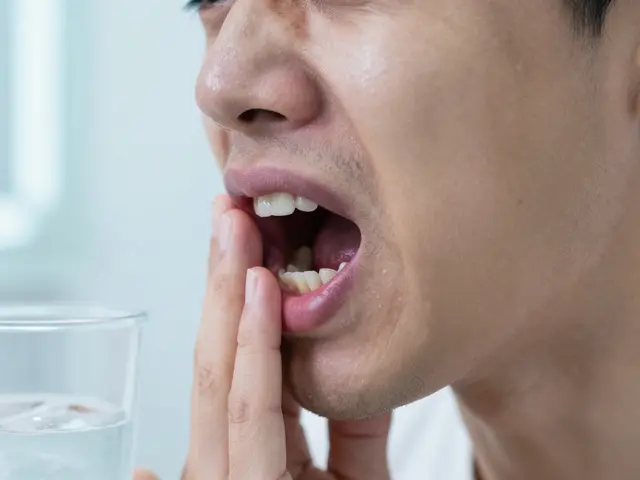
Zjistěte, jak poznat prasklou zubní sklovinu, jaké jsou hlavní příčiny a jaké metody léčby nabízejí moderní stomatologie. Praktický průvodce prevencí a náklady.
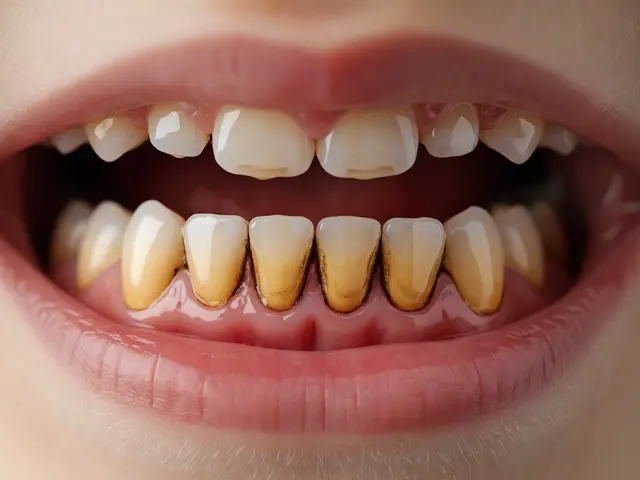
Zjistěte, jak zubní kámen ovlivňuje úsměv a zdraví dětí. Přečtěte si o příčinách, rizicích pro dásně a efektivních metodách prevence a odstranění.